
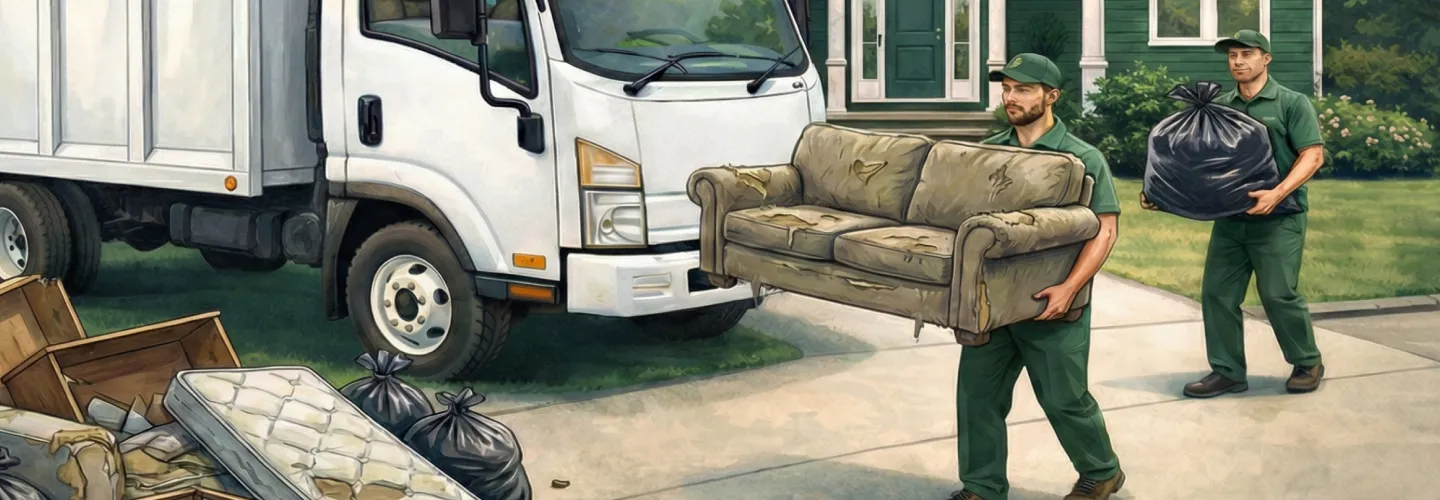
Fayetteville Scrap Metal Removal Services
Choose us for hassle-free scrap metal removal—our experienced team ensures safe, eco-friendly disposal and same-day service, making it easy to clear out unwanted metal and reclaim your space.
Get a Free QuoteOur Fayetteville Junk Removal Services
Scrap Metal Removal in Fayetteville, GA – Local Service Guide
Scrap metal removal in Fayetteville, GA is essential for keeping homes and businesses clutter-free and environmentally responsible. In neighborhoods like The Villages at Lafayette Park and Lakemont, residents often need removal services during spring cleanouts, appliance upgrades, or after storms. Items such as old grills, washers, and metal furniture are common, and local options include recycling centers or scheduled pickups. For residential spaces like garages and yards, seasonal yard cycles and storm debris drive demand, especially in areas with heavy tree coverage or near Whitewater Creek. Commercial properties in downtown Fayetteville and along Glynn Street face unique needs, such as discreet, timely removal for restaurants or retail renovations. Specialty projects—like estate cleanouts or construction debris—require careful planning and coordination, particularly for larger volumes or tight access points. For guidance on local disposal rules and resources, visit the Fayetteville Public Works Department.
Key Considerations for Scrap Metal Removal in Fayetteville
- Timing: Plan around seasonal cleanouts and weather events
- Permits: Check local requirements for large or commercial loads
- Disposal Channels: Use approved recycling or donation centers
- Access: Ensure clear pathways for removal teams
- Volume: Estimate load size for efficient scheduling
- Coordination: Schedule pickups to minimize disruption, especially for businesses
Benefits of Scrap Metal Removal in Fayetteville
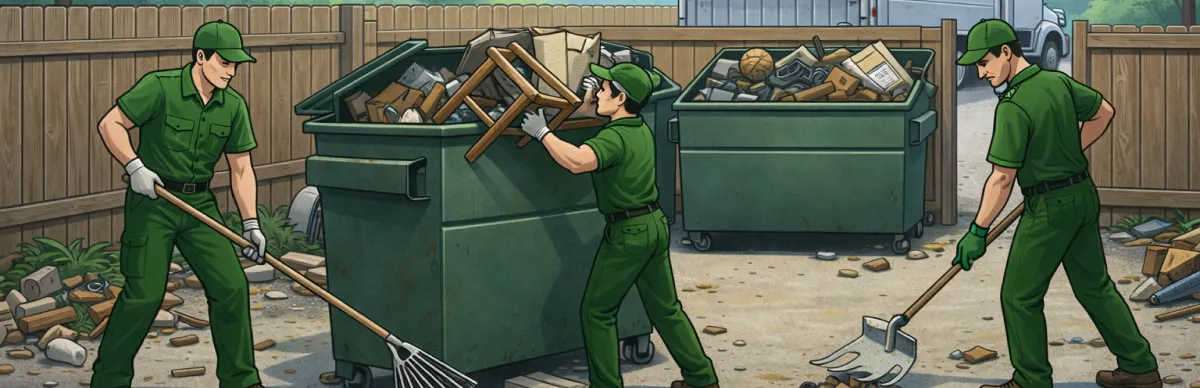
Eco-Friendly Disposal Solutions
Fast and Reliable Service
Competitive Pricing
Licensed and Insured Team
Convenient Scheduling Options
Safe and Efficient Removal
Coordinating Scrap Metal Removal with Fayetteville's Public Works Department
Residents and contractors in Fayetteville seeking to dispose of scrap metal must coordinate with the city's municipal infrastructure and sanitation services. The Fayetteville Public Works Department oversees solid waste operations, including the handling of bulk metallic items such as old appliances, automotive parts, fencing, and structural steel. Before placing scrap metal curbside or arranging hauler pickup, residents should confirm accepted materials and scheduling requirements directly with the department.
- Ferrous metals (steel, iron, cast iron) and non-ferrous metals (aluminum, copper, brass) require separation before transport to recycling facilities
- Bulk metal items must not obstruct sidewalks, drainage infrastructure, or rights-of-way
- Commercial generators of scrap metal may need to contract with a licensed hauler authorized to operate within city limits
- Items containing hazardous components—such as mercury switches in older appliances—must be handled separately under environmental regulations
Fayetteville Public Works Department
240 Glynn Street South, Fayetteville, GA 30214
Phone: (770) 461-6029
Official Website: Fayetteville Public Works Department
Georgia's Solid Waste Management Act and Scrap Metal Recycling Mandates
Georgia's regulatory framework for solid waste disposal directly affects how scrap metal is collected, transported, and recycled in Fayetteville. The Georgia Environmental Protection Division (GA EPD) administers the Georgia Comprehensive Solid Waste Management Act (O.C.G.A. § 12-8-20 et seq.), which establishes standards for waste handling, landfill operations, and recycling goals statewide. Scrap metal is classified as a recyclable commodity, and diverting it from landfills supports the state's waste reduction objectives.
- Georgia law requires counties and municipalities to develop comprehensive solid waste management plans that include recycling components
- Scrap metal haulers and processors must comply with GA EPD permitting requirements for solid waste handling facilities
- Lead-acid batteries from vehicles are banned from landfill disposal statewide and must be returned to retailers or recycling centers
- Appliances containing refrigerants require certified recovery under EPA Section 608 regulations before metal recycling
- Unauthorized dumping of scrap metal carries penalties including fines and potential criminal charges under Georgia code
Fayette County residents can also access regional recycling resources through the Fayette County government for guidance on approved scrap metal drop-off locations.
Fayetteville Code Enforcement Standards for Scrap Metal Storage and Removal
Accumulation of scrap metal on residential or commercial properties in Fayetteville is subject to municipal code enforcement. The Fayetteville Code Enforcement Division investigates complaints related to property maintenance, including the outdoor storage of metal debris, abandoned vehicles, and discarded appliances. Violations may result in notices of noncompliance and escalating penalties if not remediated within specified timeframes.
- Scrap metal, junk vehicles, and metal debris must not be visible from public rights-of-way or neighboring properties in residential zones
- Property owners receiving a code violation notice are typically given a defined period to remediate the condition before fines are assessed
- Renovation and demolition projects generating significant metal waste may require a building permit through the Fayetteville Building Inspections Department
- Commercial properties storing scrap metal must comply with zoning ordinances reviewed by the Fayetteville Planning & Zoning Commission
Fayetteville Code Enforcement Division
240 Glynn Street South, Fayetteville, GA 30214
Phone: (770) 719-4168
Official Website: Fayetteville Code Enforcement
Proactive removal of accumulated scrap metal helps property owners avoid violations and supports neighborhood preservation standards throughout the city.
Safety Protocols and Hazardous Material Handling for Scrap Metal Projects in Fayetteville
Scrap metal removal presents specific safety hazards that require proper planning, protective equipment, and awareness of hazardous material regulations. Properties built before 1978 may contain lead-based paint on metal surfaces such as railings, ductwork, and structural components. The EPA Renovation, Repair, and Painting Rule mandates lead-safe work practices when disturbing painted surfaces in older buildings, and contractors must hold appropriate EPA certification.
- Sharp edges and heavy loads require cut-resistant gloves, steel-toed boots, and proper lifting techniques or mechanical equipment
- Metal items contaminated with oil, grease, or chemical residues (such as fuel tanks or industrial equipment) may be classified as hazardous waste requiring special disposal
- Asbestos-containing materials found in older HVAC systems, pipe insulation, and roofing materials must be identified and removed by licensed abatement professionals before metal components are recycled
- Fayette County periodically hosts Household Hazardous Waste collection events for items that cannot enter the regular waste stream
- OSHA standards require employers to provide appropriate personal protective equipment and training for workers handling scrap metal on job sites
Fayetteville Fire Department
105 Lafayette Avenue, Fayetteville, GA 30214
Phone: (770) 461-2622
Official Website: Fayetteville Fire Department
Contact the Fayetteville Fire Department for guidance on fire safety concerns related to metal cutting, welding, or torch operations during scrap removal projects.
Scrap Metal Recycling and Material Recovery Options Available Near Fayetteville
Recycling scrap metal conserves natural resources, reduces energy consumption, and diverts significant tonnage from regional landfills. Fayetteville residents and businesses have access to scrap metal recycling facilities throughout Fayette County and the greater south metro Atlanta area. Most facilities accept both ferrous and non-ferrous metals and pay market-rate prices based on current commodity values.
- Ferrous metals (steel beams, iron pipes, automotive frames) are accepted at most scrap yards and are processed using magnetic separation
- Non-ferrous metals (copper wiring, aluminum siding, brass fixtures) typically command higher per-pound prices and should be sorted separately for maximum recovery value
- Appliances (washers, dryers, water heaters, HVAC units) are widely accepted but must have refrigerants professionally recovered before recycling per EPA Region 4 guidelines
- Automotive batteries must be recycled through authorized retailers or battery recycling programs—landfill disposal is prohibited under Georgia law
- Electronics containing metal components (computers, servers, metal shelving from IT equipment) should be processed through certified e-waste recyclers to ensure data destruction and proper material recovery
Residents should verify accepted materials and operating hours with individual recycling facilities before transporting scrap metal.
What Neighborhoods Do We Serve Throughout Fayetteville, GA?
- Downtown Fayetteville: The historic city center features older commercial buildings and residences where renovation projects frequently generate structural metal, old plumbing fixtures, and outdated HVAC components. Narrow streets around the courthouse square may require advance coordination for large removal vehicles.
- Whitewater Creek: This established residential community includes single-family homes with aging metal fencing, gutters, and outdoor structures. HOA guidelines may govern the staging of scrap metal during removal projects.
- The Gates at Limestone Creek: Newer construction in this subdivision means less renovation-related scrap, but landscaping and fencing upgrades occasionally produce aluminum and steel debris. Wide residential streets accommodate standard removal trucks.
- Banks Crossing: A mixed commercial and residential area where retail and restaurant equipment turnover generates stainless steel, shelving, and metal fixtures requiring professional removal and recycling coordination.
- Devonshire: This well-established neighborhood features mature properties where aging carports, metal sheds, and old appliances are common scrap metal sources. Driveway access is generally sufficient for equipment and truck staging.
- Highgrove: Larger residential lots in this community may accumulate metal debris from outbuilding demolitions, fence replacements, and property maintenance projects. Coordination with the HOA is recommended before scheduling curbside staging of materials.