
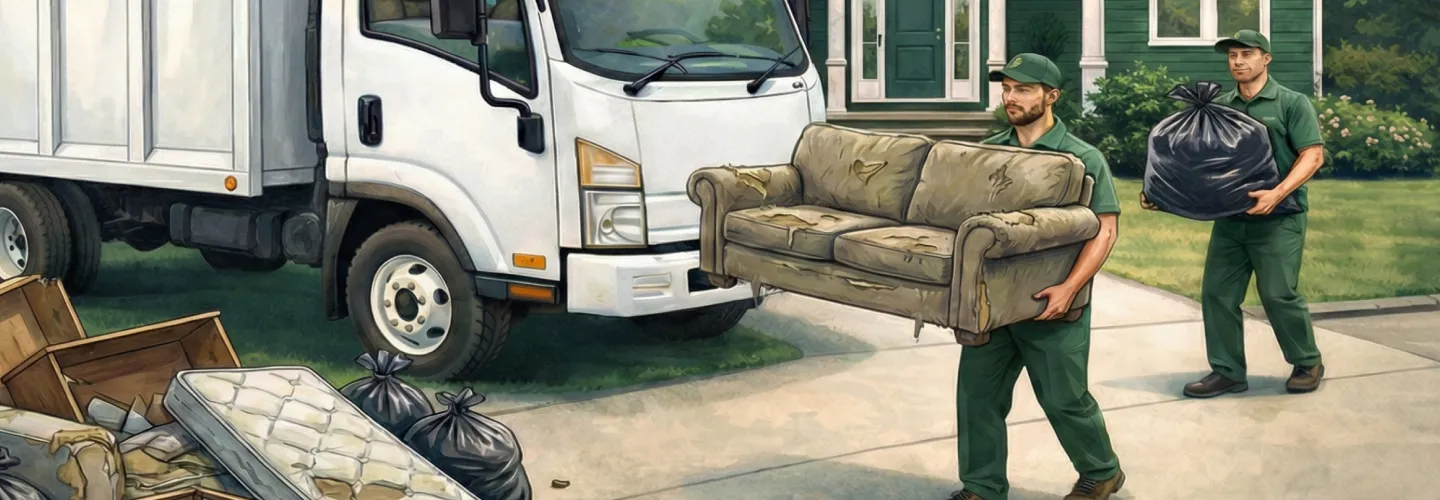
Fayetteville Storage Unit Cleanout Services
Choose our Storage Unit Cleanout service for fast, reliable, and hassle-free removal—so you can enjoy a clean, organized space without lifting a finger.
Get a Free QuoteOur Fayetteville Junk Removal Services
Storage Unit Cleanout in Fayetteville, GA – Local Service Guide
Storage unit cleanouts in Fayetteville, GA, are often prompted by life transitions such as moving, downsizing, or estate management. In neighborhoods like The Villages at Lafayette Park and Lakemont, residents frequently need to clear out units after home renovations or seasonal changes. For residential items—furniture, mattresses, appliances, and electronics—timing often aligns with spring cleaning or after major purchases. Local options include donation, recycling, or responsible disposal, with logistics shaped by unit size, weather, and facility access. For residential spaces like garages or attics, cleanouts are common after storms or during yard waste cycles, especially in areas with heavy tree coverage or flood risk. Commercial clients in Fayetteville’s retail corridors and warehouse districts require discreet, timely service for office moves, retail resets, or construction debris. Specialty cleanouts—such as for foreclosures, estates, or hoarding—demand careful planning and coordination, often involving multiple parties and sensitive timelines. For guidance on local disposal rules and resources, visit the Fayetteville Public Works Department.
Key Considerations for Storage Unit Cleanout in Fayetteville
- Seasonal timing (spring storms, move-outs)
- Facility access and parking logistics
- Proper disposal and recycling channels
- Volume and category of items (furniture, electronics, debris)
- Coordination with property managers or city services
- Local permit or compliance requirements
Benefits of Storage Unit Cleanout in Fayetteville
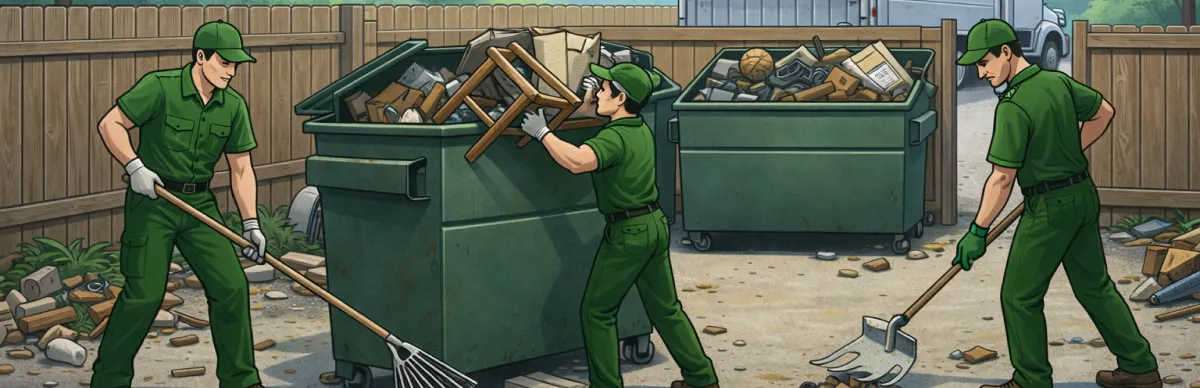
Fast and Efficient Cleanouts
Affordable Pricing Options
Eco-Friendly Disposal Solutions
Experienced Cleanout Professionals
Flexible Scheduling Available
Hassle-Free Service Guarantee
Coordinating Storage Unit Cleanout Disposal with Fayetteville's Public Works Department
Storage unit cleanouts in Fayetteville, GA, often generate large volumes of mixed materials requiring proper disposal through municipal channels. The Fayetteville Public Works Department oversees sanitation services and can provide guidance on bulk item disposal options available to residents. Before beginning a cleanout, individuals should inventory stored items to identify materials requiring special handling, such as electronics, paint, or appliances containing refrigerants.
- Furniture and household goods must be separated from hazardous materials before transport to any disposal facility
- Appliances with refrigerants (refrigerators, air conditioners, dehumidifiers) require certified refrigerant recovery prior to disposal under EPA Section 608 regulations
- Batteries, paint cans, and chemical containers are prohibited from regular solid waste streams
- Scrap metal and recyclable materials should be sorted separately to support landfill diversion efforts
- Tires are banned from Georgia landfills and must be taken to authorized tire recycling facilities
Residents should contact Public Works to confirm current collection schedules and accepted materials before transporting cleanout debris.
Fayetteville Public Works Department
240 Glynn Street South, Fayetteville, GA 30214
Phone: (770) 461-6029
Official Website: Fayetteville Public Works Department
Georgia Solid Waste Management Requirements for Storage Unit Cleanout Materials
Georgia's solid waste regulations, administered by the Georgia Environmental Protection Division (GA EPD), establish requirements that directly affect how storage unit cleanout materials must be handled and disposed of. The Georgia Comprehensive Solid Waste Management Act (O.C.G.A. § 12-8-20 et seq.) sets standards for waste handling, transportation, and disposal that apply to both residents and commercial haulers operating in Fayetteville.
- Lead-acid batteries are banned from Georgia landfills and must be returned to retailers or recycling facilities
- Used motor oil and automotive fluids discovered in storage units require disposal through authorized collection centers
- Electronics containing hazardous components (CRT monitors, mercury-containing devices) should be directed to e-waste recycling programs
- Yard waste mixed with stored items must be separated, as many Georgia landfills restrict organic material
- Construction debris such as lumber, drywall, or roofing materials found in storage units may require disposal at permitted construction and demolition landfills rather than municipal solid waste facilities
Haulers transporting cleanout materials must comply with GA EPD permitting requirements for solid waste transport, including proper vehicle registration and manifest documentation for regulated materials.
Fayetteville Code Enforcement and Property Maintenance Standards During Storage Cleanouts
Storage unit cleanouts must comply with Fayetteville's municipal code enforcement standards, particularly regarding debris management and property maintenance during the removal process. The Fayetteville Code Enforcement Division enforces ordinances that prohibit accumulation of debris on public rights-of-way and require proper containment of waste materials during transport.
- Debris must not be left on sidewalks, roadways, or adjacent properties during the cleanout process; violations may result in municipal citations
- Loading and staging areas at storage facilities must be kept clear to maintain fire lane access per Fayetteville Fire Department requirements
- Noise ordinances restrict heavy equipment operation and loud loading activities during early morning and late evening hours in residential areas
- Unsecured loads on transport vehicles violate Georgia law (O.C.G.A. § 40-6-248.1) and may result in fines; all materials must be properly tarped or contained
- Illegal dumping of storage unit contents at unauthorized locations carries penalties under both city ordinances and state law
Contact Code Enforcement before beginning large-scale cleanouts to confirm compliance requirements for the specific storage facility location.
Fayetteville Code Enforcement
240 Glynn Street South, Fayetteville, GA 30214
Phone: (770) 719-4168
Official Website: Fayetteville Code Enforcement
Recycling and Donation Options in Fayetteville for Reusable Storage Unit Items
Before disposing of storage unit contents, Fayetteville residents should evaluate items for recycling or donation to maximize landfill diversion. Fayette County participates in regional recycling programs, and several charitable organizations in the area accept furniture, clothing, household goods, and functional electronics. Donating reusable items supports community organizations and reduces the environmental impact of storage unit cleanouts.
- Furniture in good condition (tables, chairs, dressers, shelving) can be donated to local thrift stores and charitable resale organizations operating in the Fayetteville area
- Clothing and textiles should be bagged separately and directed to textile recycling or donation centers
- Functional electronics (computers, televisions, small appliances) may be accepted by e-waste recyclers or donation programs; non-functional electronics require proper e-waste recycling
- Scrap metal including bed frames, filing cabinets, and metal shelving can be taken to licensed scrap metal recyclers in Fayette County
- Books, kitchenware, and sporting goods in usable condition are commonly accepted by donation centers
The Fayetteville Building Inspections Department can provide guidance if cleanout activities involve any structural modifications to storage units or if permits are needed for renovation-related debris removal.
Fayetteville Building Inspections
240 Glynn Street South, Fayetteville, GA 30214
Phone: (770) 719-4164
Official Website: Fayetteville Building Inspections
Safe Handling of Hazardous Materials Found During Fayetteville Storage Unit Cleanouts
Storage units frequently contain hazardous materials that require specialized handling and cannot be placed in regular waste streams. Items such as old paint, pesticides, cleaning solvents, propane tanks, and automotive chemicals are commonly discovered during cleanouts and must be disposed of through authorized hazardous waste collection programs. Improper disposal of these materials violates both Georgia state law and federal Resource Conservation and Recovery Act (RCRA) regulations.
- Latex and oil-based paints must be taken to household hazardous waste collection events; they cannot be placed in curbside trash
- Propane tanks and compressed gas cylinders are explosive hazards and are universally prohibited from landfills and solid waste trucks
- Pesticides, herbicides, and pool chemicals require disposal through Fayette County's periodic household hazardous waste collection events
- Aerosol cans that are not fully empty are considered hazardous waste under Georgia regulations
- Fluorescent light tubes and CFL bulbs contain mercury and must be recycled through designated programs
Workers handling unknown containers during storage unit cleanouts should wear appropriate personal protective equipment including chemical-resistant gloves, eye protection, and respiratory protection when containers are damaged or leaking. Contact the EPA Region 4 office for guidance on federal hazardous waste compliance requirements.
What Neighborhoods Do We Serve Throughout Fayetteville, GA?
- Downtown Fayetteville: The historic downtown area features older commercial buildings and mixed-use properties near the courthouse square. Storage facilities in this area may have limited loading zone access, and cleanout vehicles should coordinate parking to avoid disrupting pedestrian traffic along Main Street.
- Whitewater Creek: This established residential community includes single-family homes where residents frequently use nearby storage facilities for seasonal and long-term storage. Wide residential streets generally accommodate removal vehicles without access restrictions.
- Kedron Village: A growing area with newer residential developments and commercial storage facilities along the GA-54 corridor. Storage units here typically feature drive-up access with adequate staging areas for sorting and loading cleanout materials.
- Banks Crossing: Located near the SR-85 commercial corridor, this area includes several self-storage facilities serving both residential and commercial tenants. Proximity to major roadways facilitates efficient transport of cleanout materials to disposal and recycling facilities.
- Lafayette Avenue Area: Older residential neighborhoods near Lafayette Avenue feature mature tree canopy and narrower streets. Removal vehicles may need to plan routes carefully, and overhead clearance should be verified for larger trucks servicing storage facilities in this vicinity.
- Summerhill: A suburban residential community where storage unit cleanouts often involve household furniture, seasonal items, and estate-related contents. HOA guidelines may apply to staging materials on residential properties before transport.